
یہ بھی دیکھیں


 08.09.2026 12:38 AM
A strong US labor market, rising oil prices, and a political crisis in Germany. By all the rules of the genre, EUR/USD should have fallen. It rose. The pair is clinging to the accelerated rise in European bond yields, reading in it a signal that the European Central Bank is preparing to tighten monetary policy. In fact, this is a plain-vanilla debt sell-off — a negative factor for the euro that will sooner or later make itself felt.
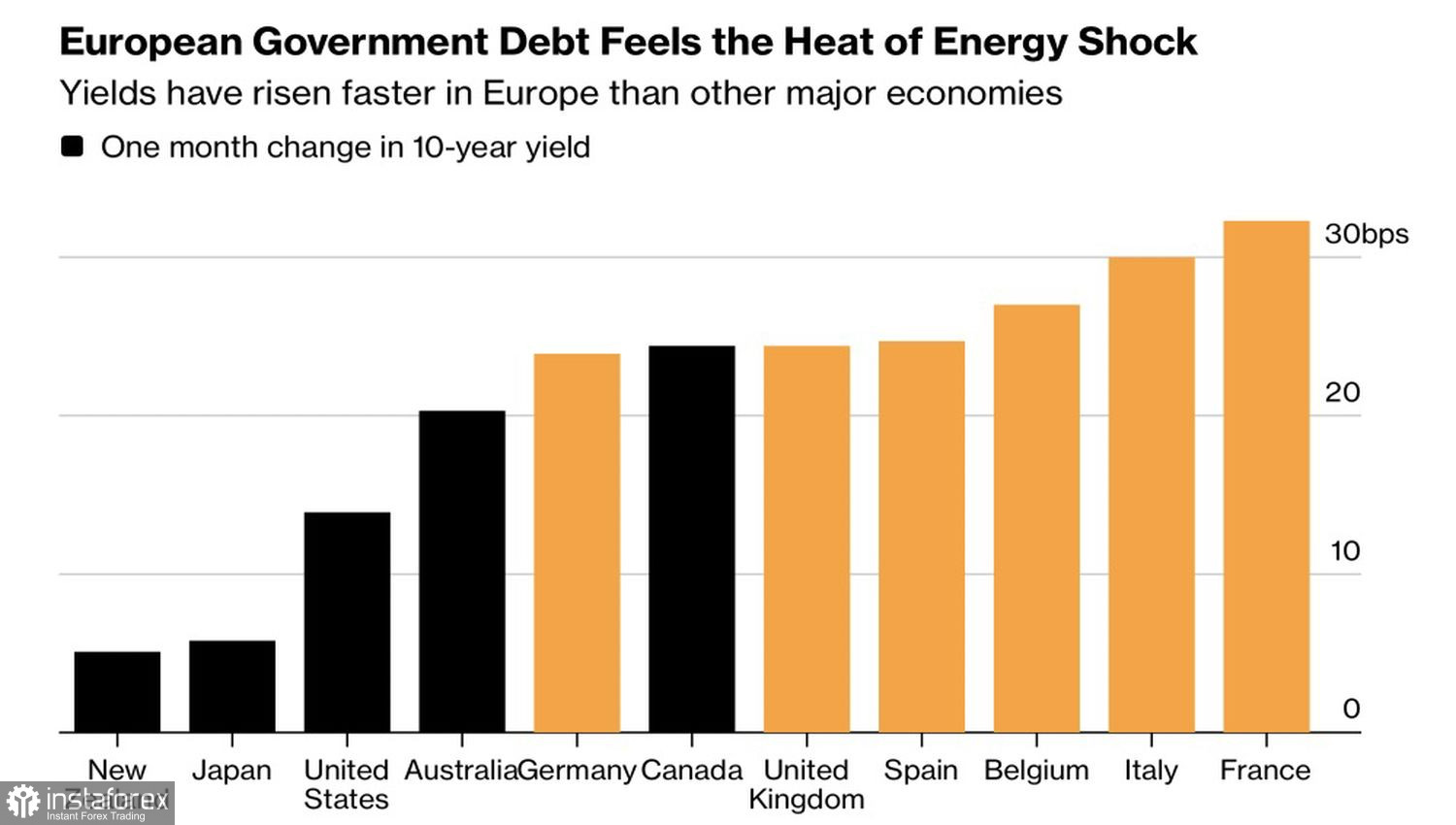
The scale of the sell-off leaves no room for illusions. Long-term borrowing costs for France, Italy and the UK have risen the most among G7 countries over the past month, and yields have hit multi-year highs. Not even the traditional regional haven — Germany — was spared. Investors now demand the largest premium for its 30-year debt since 2011.
Energy is the fuel for the sell-off. Gas prices have risen more than 120% since the start of the Middle East conflict and hit a three-year high last week. Against an already immense strain on public finances, a new energy shock scares bondholders far more than it cheers potential ECB "hawks."
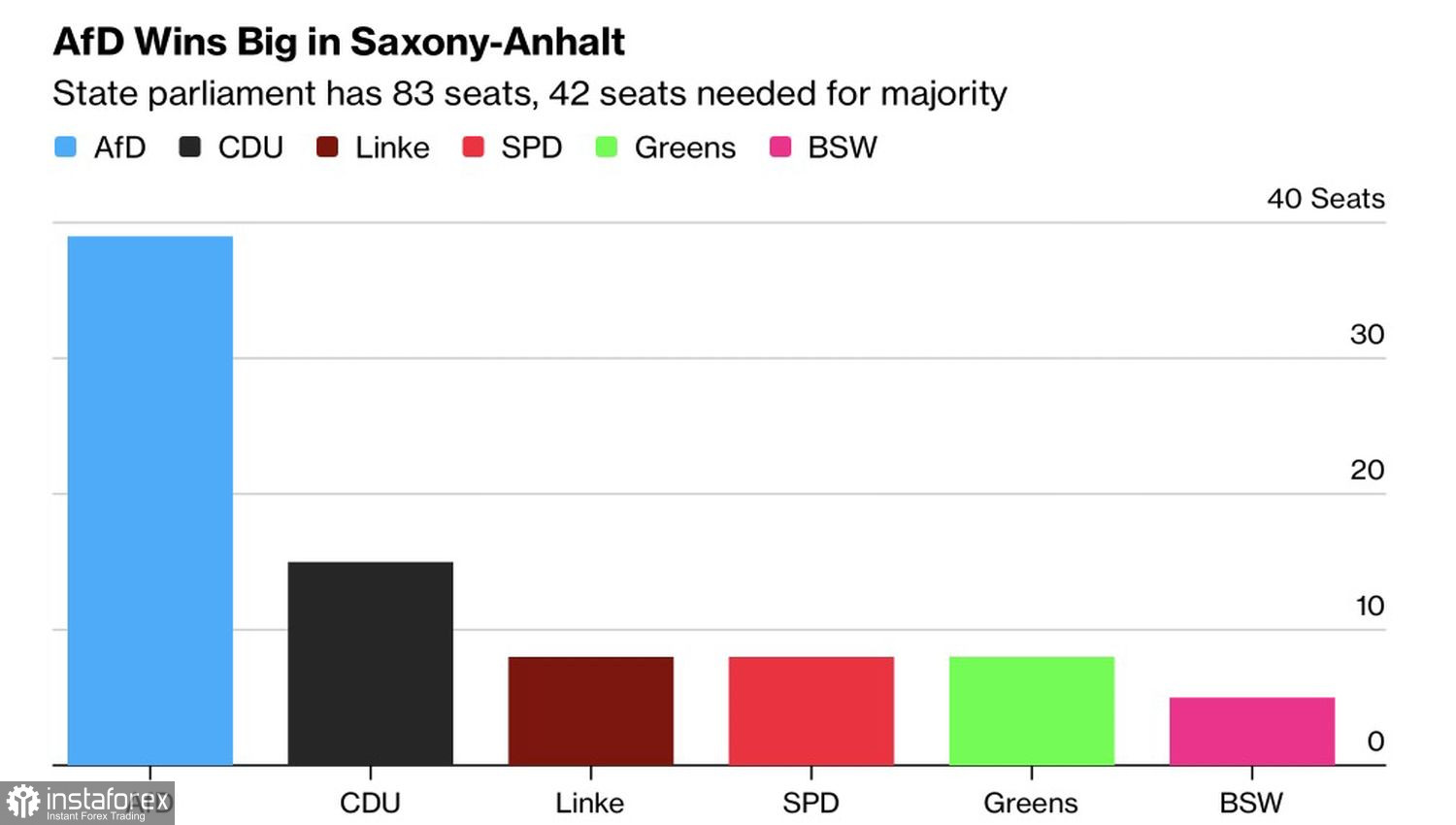
Politics adds to the nervousness. The right-wing Alternative for Germany scored its best result ever in the Saxony-Anhalt vote — 44%. It came close to an absolute majority, which could open the way to the first far-right regional government since World War II. Chancellor Friedrich Merz's approval rating has fallen to a record low of 15%; party officials openly blame him, and rumors of a replacement are growing louder. Two more regional votes lie ahead. The market will have cause to fret.
Oil-market headlines do not add optimism for EUR/USD. Goldman Sachs estimates Brent could spike to $120/bbl if attacks on shipping in the Strait of Hormuz continue to intensify. The US attacks Iranian tankers, Tehran declares new restricted zones, and the US fleet blocks Iranian ports. The bank's alternative scenario is calmer — $80 if exports from the region normalize. Iran adds its own twist: the country says a deal with Oman to manage traffic through the strait is nearing completion, which could strengthen Tehran's control over the waterway. How will Washington respond?
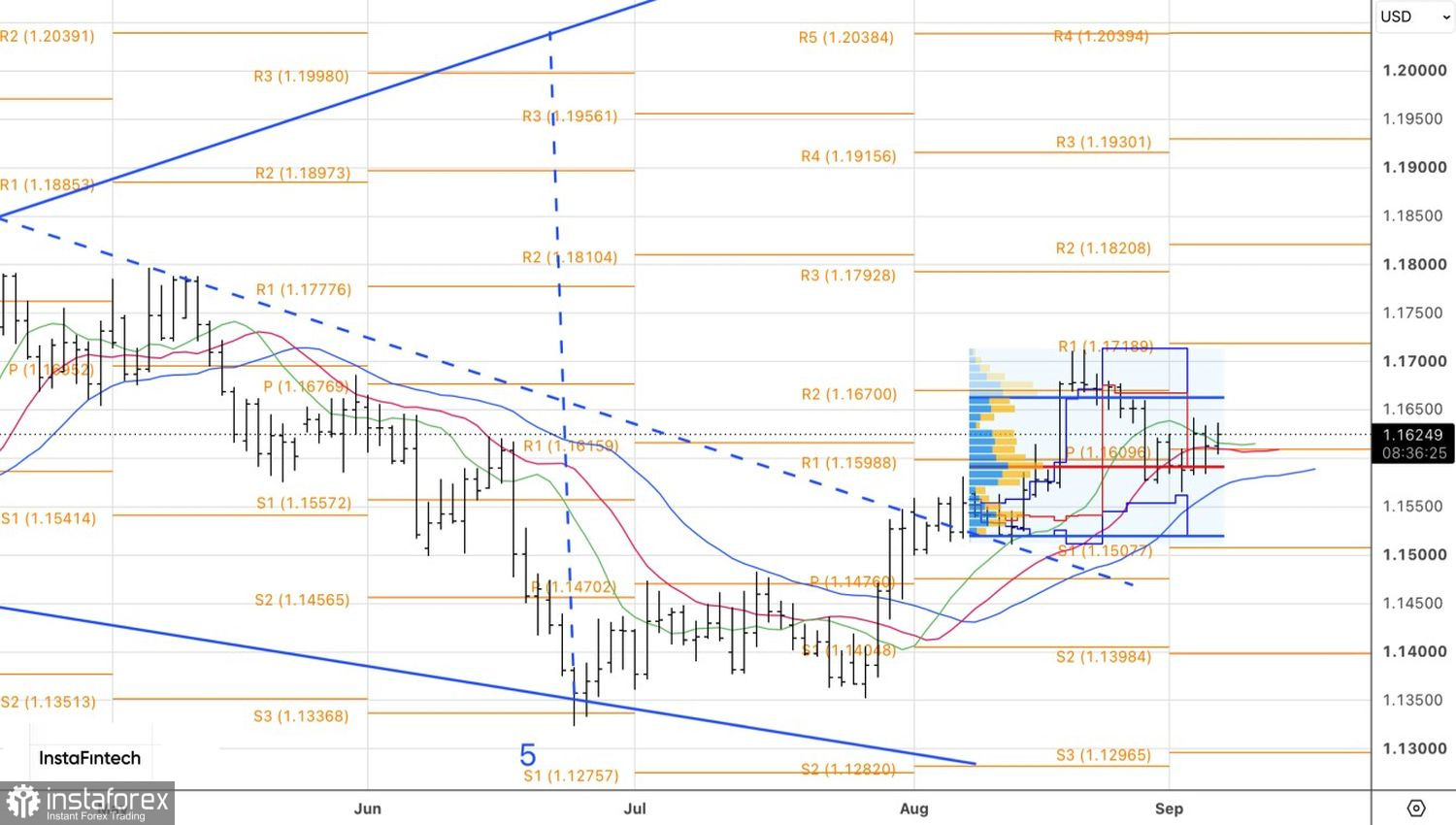
Either way, the EUR/USD rally rests on a misreading of signals coming from the European bond market rather than on genuine confidence in the ECB's hawkish rhetoric. How long will investors confuse a sell-off with monetary tightening?
Technically, on the daily chart, EUR/USD is approaching the upper boundary of the consolidation range 1.158–1.164. A breakout would not guarantee a resumption of the uptrend. On the contrary, a return of the euro into the trading channel or a rejection from $1.166 would be reasons to sell.


