یہ بھی دیکھیں


 28.07.2026 08:49 AM
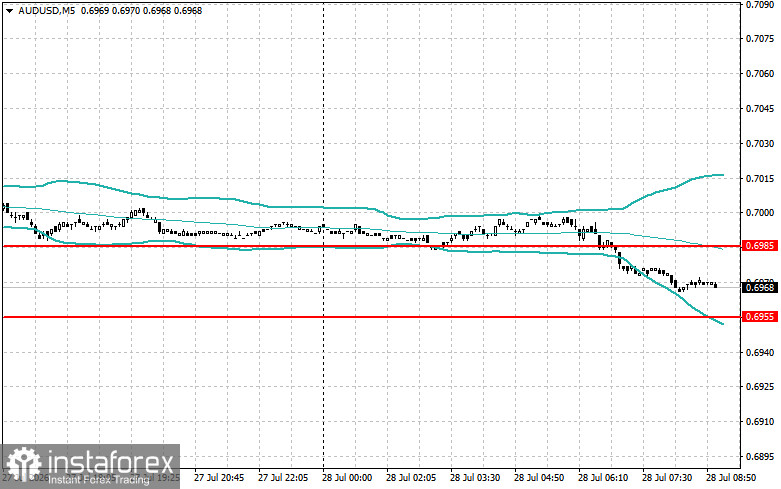
The US dollar quickly regained its positions against the euro, pound, Australian dollar, and other risk assets.
This strengthening reflects a shift in market expectations towards further interest rate hikes by the Federal Reserve, albeit not at the next meeting. When market participants price in a higher rate trajectory, US bond yields rise, and along with them, the dollar's appeal increases since capital tends to flow to where returns are higher. This shift in expectations toward a hawkish stance has been the main driver of the US currency's strengthening. For the euro and pound, this shift has become a source of pressure. The rise in US yields has widened the gap between rates in the Eurozone and the UK, reducing the relative attractiveness of both European currencies. As a result, EUR/USD and GBP/USD have retreated under the pressure of the strengthened dollar, and the depth of their decline will depend on how confident the market is in the prospect of further Federal Reserve tightening.
Today, the European agenda looks sparse, with only unemployment data from Spain and the Bundesbank's monthly report scheduled. The unemployment rate reflects the labor market conditions of one of the bloc's major economies. At the same time, the Bundesbank report contains the German central bank's assessment of the current situation and prospects, through which the market gauges sentiment regarding policy. However, both events are secondary and are unlikely to provide significant support to the single currency.
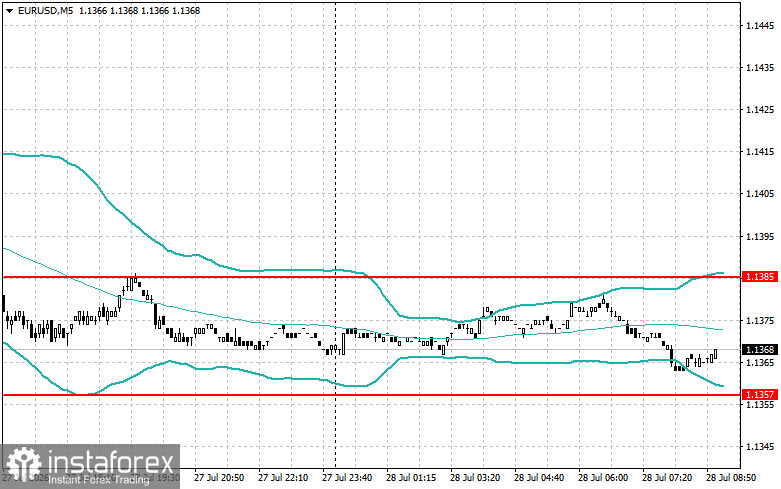
The situation is complicated by the fact that the euro has already returned to its weekly low against the dollar, having lost its recent gains. In the absence of strong domestic drivers, the EUR/USD pair will remain influenced by the strengthened US dollar, and the weak agenda will not give the euro a basis for a turnaround.
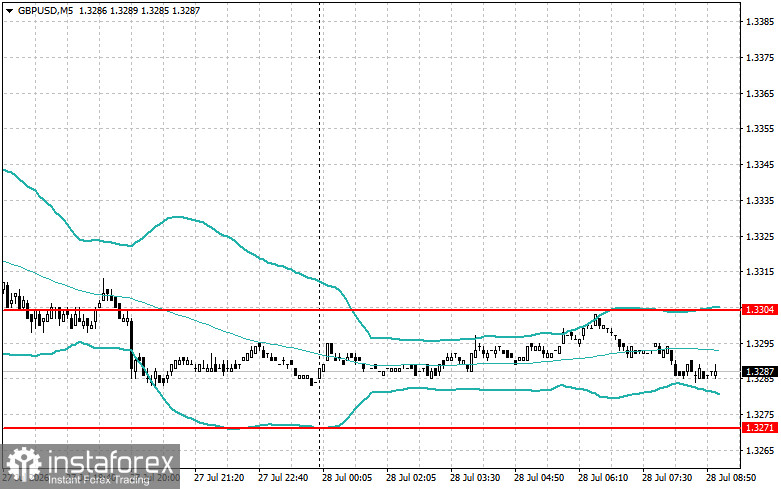
The lack of macroeconomic publications in the UK also leaves the pound without its own drivers. Typically, labor market, inflation, or business activity reports set the direction for the British currency, as these shape expectations regarding Bank of England policy. Still, there are no such indicators in the calendar today. In this situation, the key factors for the pair will be the dollar's dynamics and overall risk appetite. Following yesterday's sell-off, it is challenging to expect a significant recovery for the pound. Without domestic drivers, GBP/USD lacks the support needed to confidently recover its losses, while a strong dollar will likely continue to restrain any rebound attempts.
If the data aligns with economists' expectations, it is best to act on the Mean Reversion strategy. If the data come in much higher or lower than economists' expectations, the Momentum strategy will be most suitable.