Veja também


 15.05.2026 08:42 AM
Demand for the US dollar has surged sharply, leading to a significant sell-off in risky assets. The British pound has been particularly affected.
Rising US inflation, driven by the escalation of the conflict in Iran, has become a catalyst for heightened expectations about the Federal Reserve's future actions. Traders are increasingly leaning towards the view that the Fed will maintain high interest rates for a longer period, with some even considering the possibility of further hikes by the end of the current year. This outlook has already had a significant impact on currency markets, leading to the strengthening of the US dollar yesterday.
In the current conditions, as geopolitical tensions in the Middle East continue to rise and inflationary pressures in the US economy accelerate, the central bank's wait-and-see stance becomes increasingly justified. Interest rate hikes, which have been increasingly discussed by Fed officials, are a traditional tool for combating inflation but can slow economic growth.
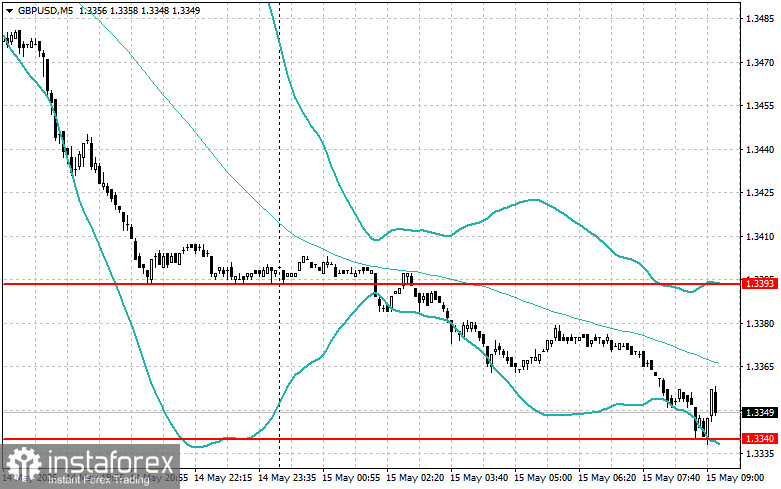
As noted earlier, the British pound has taken a hit amid political uncertainty. Rumors of a potential leadership challenge within the Labor Party from Andy Burnham have negatively impacted financial markets. These events raise doubts not only about the stability of the current government but also about its ability to manage the public debt, which is under close scrutiny. The news of a potential leadership rivalry between Starmer and Burnham, who has significant support, immediately affected the pound's exchange rate.
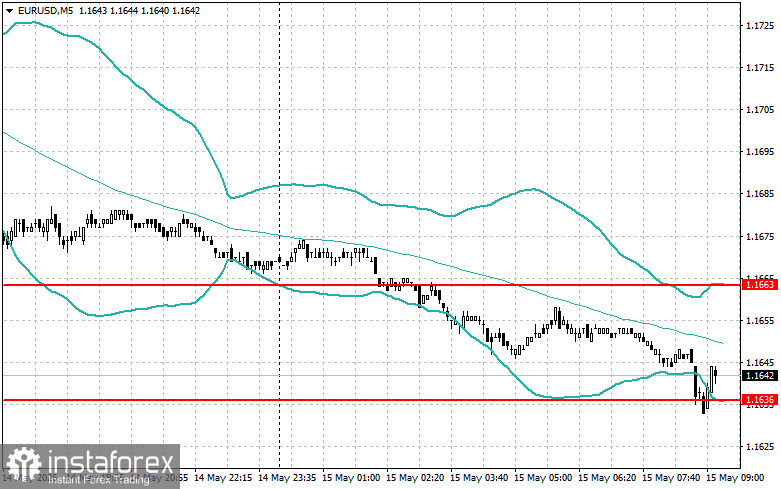
Today, the economic calendar is expected to be calm in the first half of the day. However, the scheduled reports could impact markets, particularly in Europe. The main focus will be on the data from Italy and the analytical review from the European Central Bank. The inflation indicator is fundamental for assessing inflationary processes in the country and reflects the dynamics of prices for consumer goods and services. The Italian CPI figures can provide insight into the level of inflationary pressure in the third-largest economy in the eurozone, which, in turn, could adjust expectations regarding the monetary policy of both the Bank of Italy and the ECB as a whole.
Alongside the Italian data, the ECB's economic bulletin is expected to be released. This document contains a detailed analysis of the current economic situation in the eurozone, risk assessments and outlooks, and comments on monetary policy.
Regarding the pound, the absence of significant macroeconomic data from the UK in the first half of today could provide GBP/USD with a temporary respite from recent pressures. Against the backdrop of internal political uncertainties caused by a potential challenge to the Prime Minister's leadership, the lack of new statistical signals from the island could contribute to some stabilization, allowing the market to digest previous news and assess its long-term consequences.
If the data aligns with economists' expectations, it would be best to act based on the Mean Reversion strategy. If the data is significantly above or below economists' expectations, using the Momentum strategy would be the best approach.