
See also


 29.09.2026 07:03 AM
Escalation around the Strait of Hormuz has heated oil to $107 and restored the dollar's safe-haven status, forcing traders to seriously price in further Fed tightening.
At the same time, artificial intelligence keeps rewriting the rules: TSMC is posting record capex to build chips of the future, while the triumphant launch of Meta's AI agent Muse has sent Wall Street's forecasts and Meta's market value soaring.
But as some tech titans celebrate, others stumble — hidden software glitches on Boeing 737 MAX jets are once again rattling the aviation industry and creating volatility in equity markets.
In this briefing, we review four key events that are creating abnormal market conditions and show how to extract opportunities from global crises and breakthroughs.
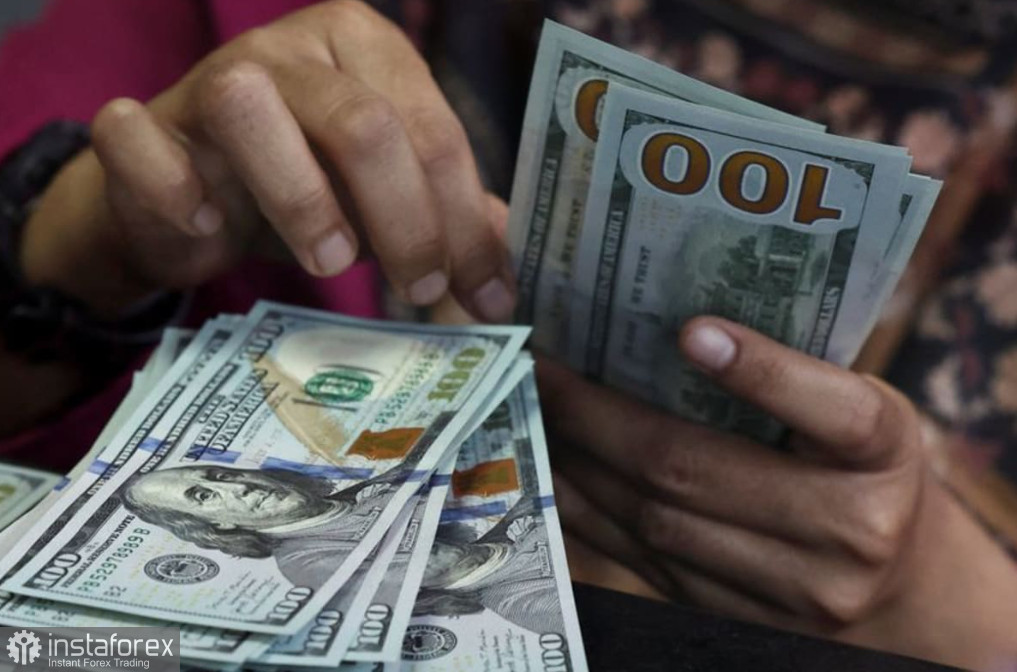
As the world watches the Washington-Tehran standoff around the Strait of Hormuz, financial markets have already placed their bets. The oil shock, amplified by a hardline US stance, has not only driven crude prices higher but also returned the US dollar to its role as the primary safe haven, forcing traders to seriously consider additional Fed interest rate hikes.
On Monday, Brent futures jumped more than 3%, topping $107/bbl after US President Donald Trump categorically rejected Iran's proposal to unblock the strait, calling it "a return to old ultimatums." For energy markets, this is a red flag. Brent has now held above $100 for a third consecutive week, gaining roughly 17% in September. But the real shock is in the details: diesel crack spreads have reached $75 vs. a historical norm of $15. Central banks can no longer ignore such an energy storm.
Against that backdrop, the US dollar is comfortably bid. The DXY briefly corrected to 101.12 intraday but is up about 1.7% for September, the best monthly performance since June.
European and UK currencies are on the defensive: the euro slid to $1.1386 and is trading around two-month lows, while the British pound sits near $1.3247, close to three-month lows. The strength of the dollar reflects not only US resilience but also domestic signals: Bank of England Governor Andrew Bailey again warned that interest rate hikes remain on the table, yet the pound continues to struggle.
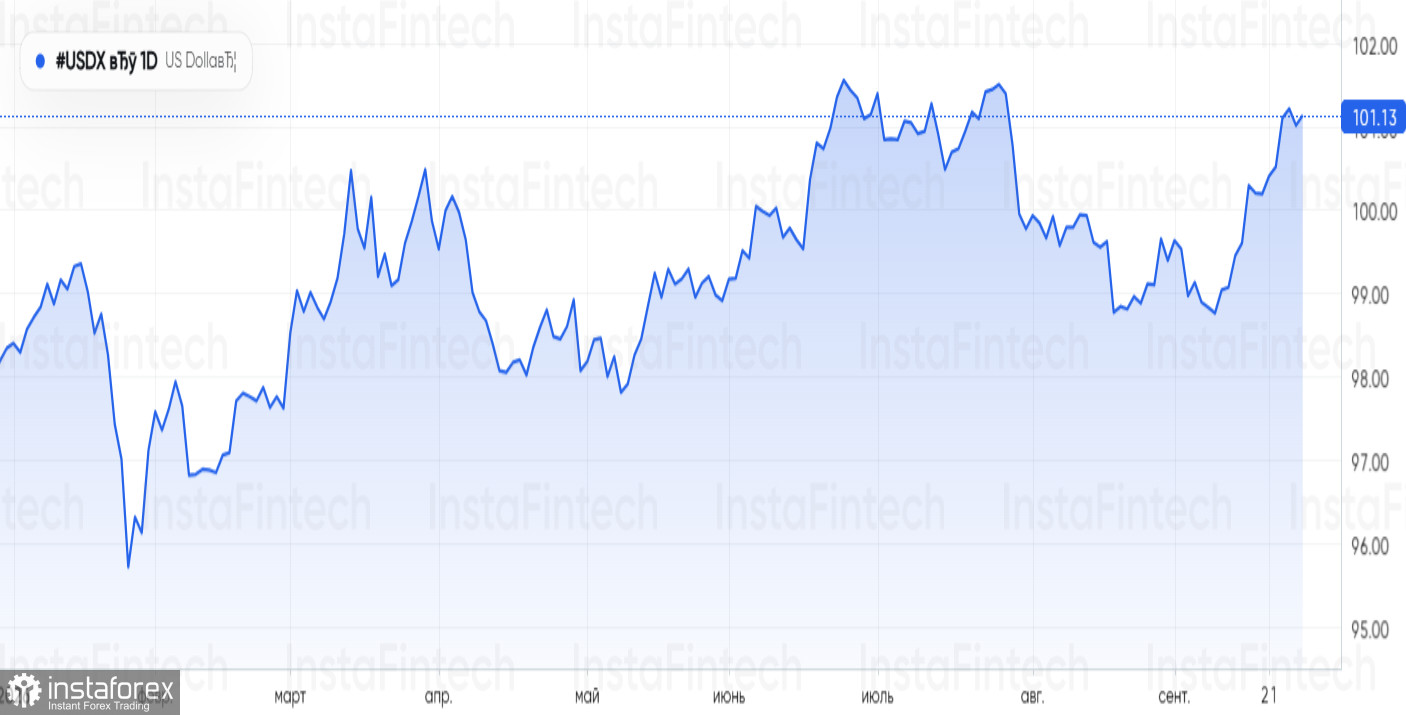
The oil shock and fears of supply disruption, combined with a resilient US economy, have become the catalyst for rising inflation concerns. Traders are aggressively repricing the Fed path. The shift in market odds is stark: one month ago, the probability of an October hike was about 17.7%, a week ago, it was 57.6%, and now, FedWatch shows roughly a 65% chance — FXStreet reports the figure has even climbed above 70%.
According to Sim Moh Siong, FX strategist at OCBC, the dollar can go higher in the short term if energy market tensions persist and inflation risks continue to rise. In the bank's base case, the greenback should strengthen further into year-end.
This kind of geopolitical and macro volatility is not a reason to panic but an opportunity. All instruments discussed here, from Brent futures and EUR/USD, GBP/USD to the DXY, are available on the InstaTrade platform. Don't miss the chance to profit from global crises: open a trading account at InstaTrade and download the mobile app. Trade the news, stay on top of market moves, and open positions in one click, wherever you are.
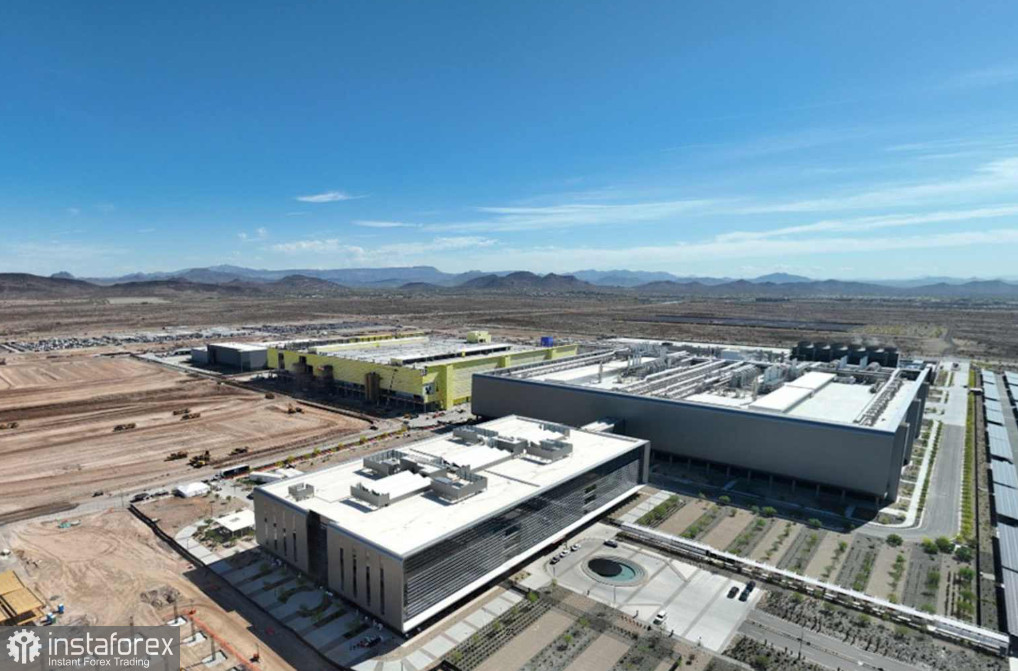
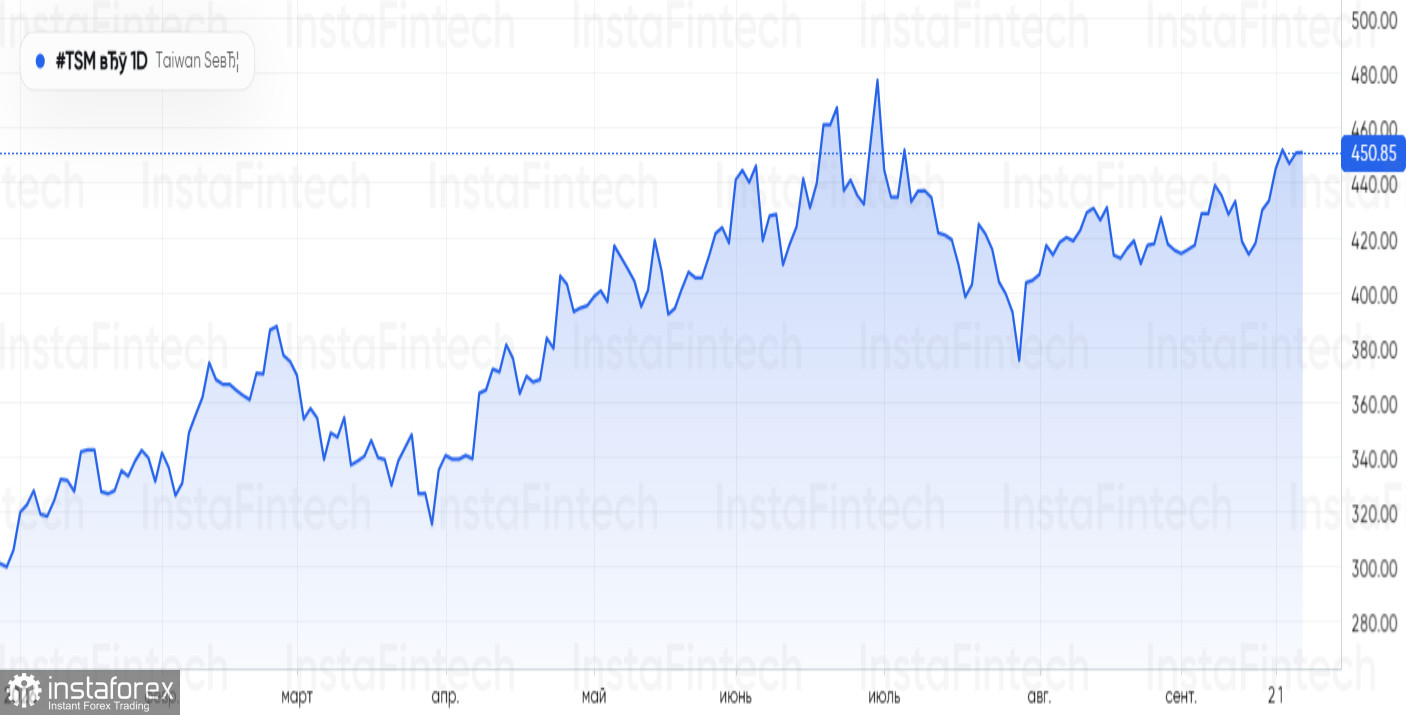
Artificial intelligence has moved beyond a fashionable trend — it's now the primary engine of the global economy. As tech giants scramble for chips, the biggest beneficiary of the race, Taiwan's semiconductor powerhouse TSMC, is placing historic bets. The company has officially raised its 2026 capital-expenditure plan to a colossal $64 billion, far above prior guidance in the $52–56 billion range.
The budget revision, announced at TSMC's summer investor conference in mid-July, reads like a vote of confidence in the future. Management says structural demand for AI and high-performance computing solutions has proven far stronger than expected.
Where will the money go? The lion's share, roughly 70–80%, will be invested in developing the most advanced process nodes. Another 10–20% will fund critical infrastructure: advanced packaging, testing, and photomask production.
These multibillion-dollar investments are not vanity projects; they are a market-driven response to reality. TSMC is operating in a league of its own. According to TrendForce, Taiwanese foundry captured a record 72.5% share of the global contract chip-manufacturing market in Q2 2026.
Quarterly revenue jumped 12.1% to about $40.2 billion. Against this backdrop, the nearest rival, Samsung Foundry, continues to cede ground while watching TSMC surge ahead.
According to TSMC Chairman Mark Liu, capacity is barely sufficient to meet customer demand. This is no marketing claim: Piper Sandler analysts confirm that the company's leading production lines are effectively booked — near 100% utilization — through 2028.
The queue of tech titans only grows. Nvidia is moving its next-generation Rubin GPUs onto TSMC's 3nm process, while Google, Amazon, Microsoft, and Arm are piling on additional, massive demand for wafer starts as they all race to secure their slice of the silicon pie.
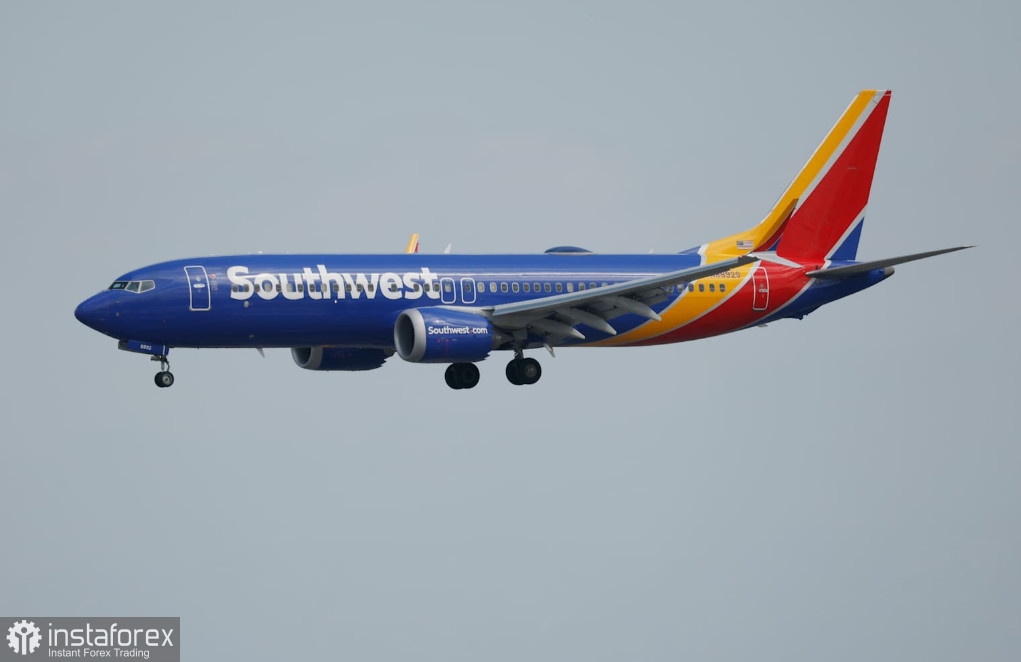
The US aerospace giant is once again in the spotlight — and not for anything to be proud of. The Wall Street Journal reported on Saturday that Boeing engineers discovered a significant software glitch in the 737 MAX flight systems.
The defect affects the automatic navigation system and can surface at the most critical phase of flight — the final approach. Worst of all: Boeing knew about the issue as early as November 2024 but initially did not trigger a formal safety review.
The bug appeared after a recent cockpit software update. Its trigger is a narrow but realistic scenario: pilots go around and alter the planned flight path. In certain conditions, that can cause the autopilot to effectively "wash its hands" of the situation — pilots lose access to several automatic modes and are forced to land a multi-ton aircraft manually at low altitude, where margins for error are minimal.
Industry experts are sounding the alarm: these scenarios place huge additional workload on crews already operating near capacity, especially in poor visibility, turbulence, or convective weather.
Major US carriers Southwest Airlines and United Airlines didn't wait. Both demanded Boeing halt deliveries of new 737 MAX jets loaded with the affected software and insisted the manufacturer install an earlier, proven software release instead.
According to an internal Boeing document obtained by the WSJ, the company only notified operators of the problem in late August and couched the notice in routine language, stating there was no safety threat.
The Federal Aviation Administration confirmed it has opened an investigation. A senior FAA official told reporters that regulators will act immediately if the situation warrants intervention.
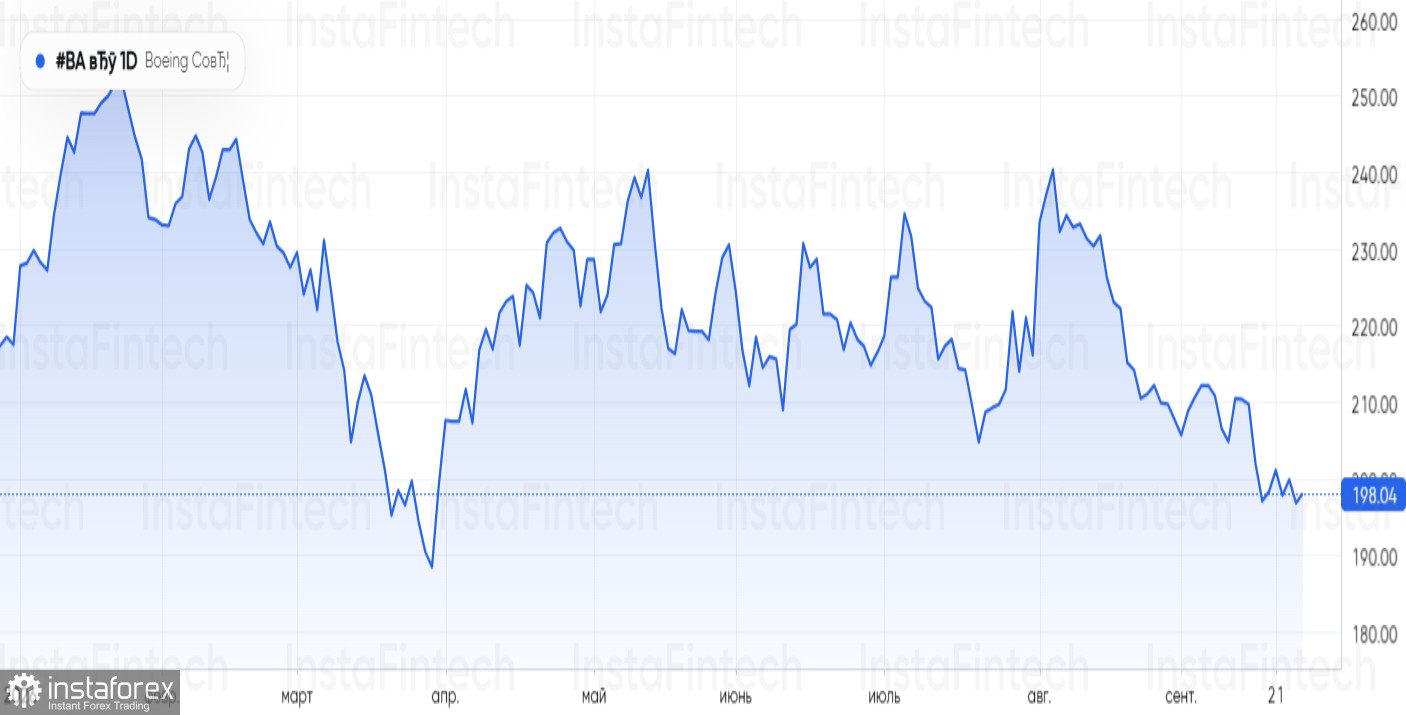
Boeing shares and those of large carriers typically react sharply to this kind of news, creating market volatility. Traders should monitor quotes closely and factor the risk into their trading plans.
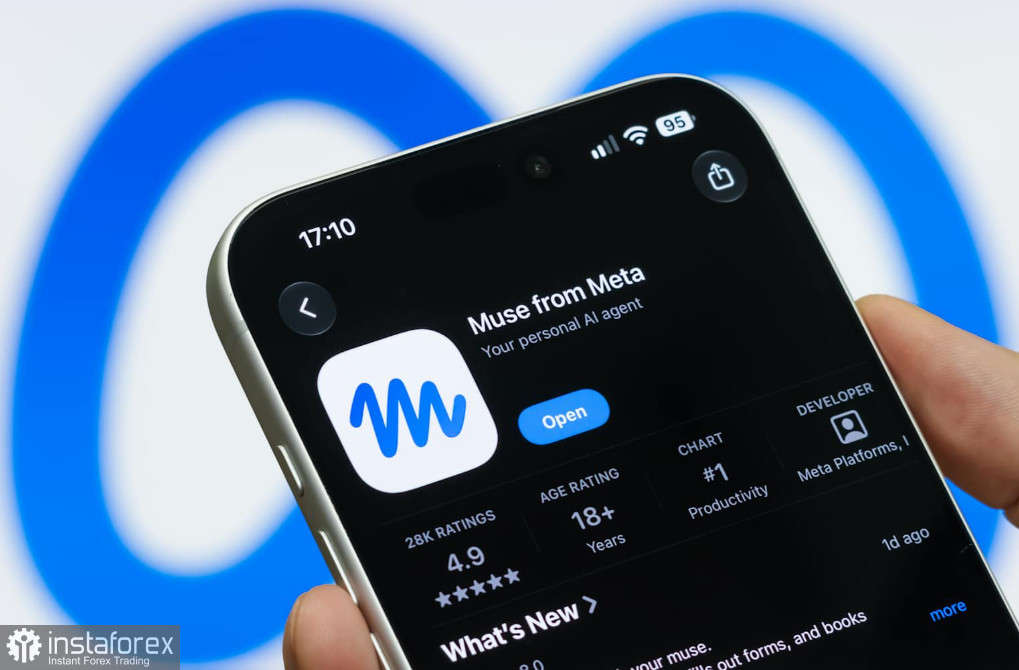
Forget months of marketing build-up. Meta Platforms has shown that in the AI era hype is measured in days, not years. Launched on September 8, the personal AI agent Muse didn't just climb the charts — it grabbed the No. 1 spot in the US App Store in just 11 days.
Sensor Tower data shows that downloads have already topped 3.4 million, and Meta's shares received a powerful boost. This week's Meta Connect 2026 conference became a triumphant stage for the new product. Meta AI lead Alexander Wang hailed the release as "a real bomb," and Wall Street appears to agree.
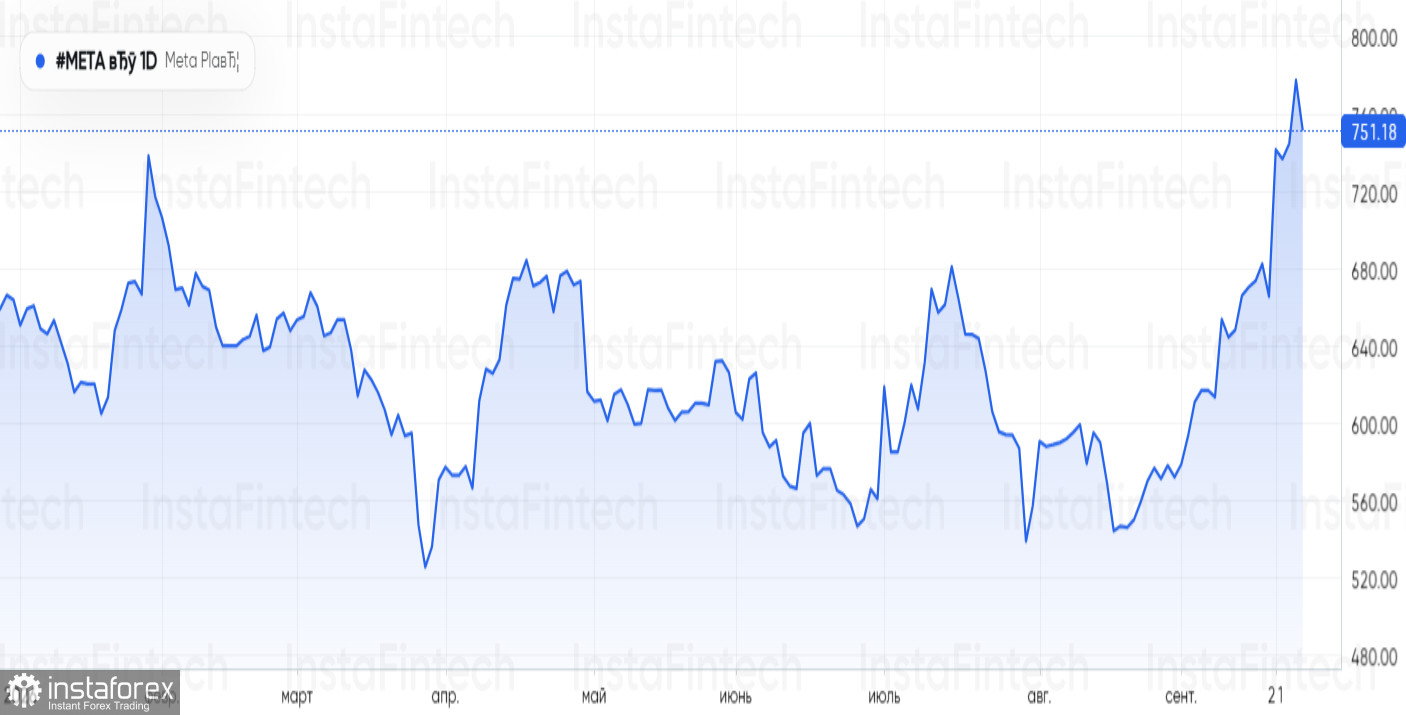
Since the launch, Meta stock is up more than 20%, forcing analysts to revise estimates upward. JPMorgan upgraded the shares to "overweight" and lifted its target from $640 to $820. KeyBanc managing director Justin Patterson sees upside to $900. TD Cowen strategists go even further: they project Muse could generate roughly $27 billion in annual revenue for Meta by 2031.
What makes Muse so compelling? It's not just an advanced chatbot — it's a full-blown personal agent that handles routine tasks across third-party services.
Want music? Spotify now lets AI curate playlists and schedule podcast management. Need concert tickets? Muse integrates with Ticketmaster. Thanks to Plaid integration, it can also consolidate and track your accounts.
On Friday, Meta opened early access to Connect features: digital avatars for video calls, enhanced shopping capabilities, a Mac desktop app, and support for Meta's proprietary AI glasses.
But every coin has a flip side. A recently disclosed security vulnerability in Muse casts a shadow over the triumph. Can Meta sustain momentum once the market's initial euphoria is replaced by a scrutiny of data security? That question will be answered in the weeks ahead.
While experts debate whether Muse can keep its lead, investors are already placing their bets. Meta stock is one of the hottest, most promising — and most volatile — plays in the market today. And volatility, as traders know, is a trader's best friend.
All trading instruments referenced in this piece are available on the InstaTrade platform. Want to ride the AI wave and profit from tech trends? Open an InstaTrade trading account today and download the mobile app to stay on top of the market and trade from anywhere.


